

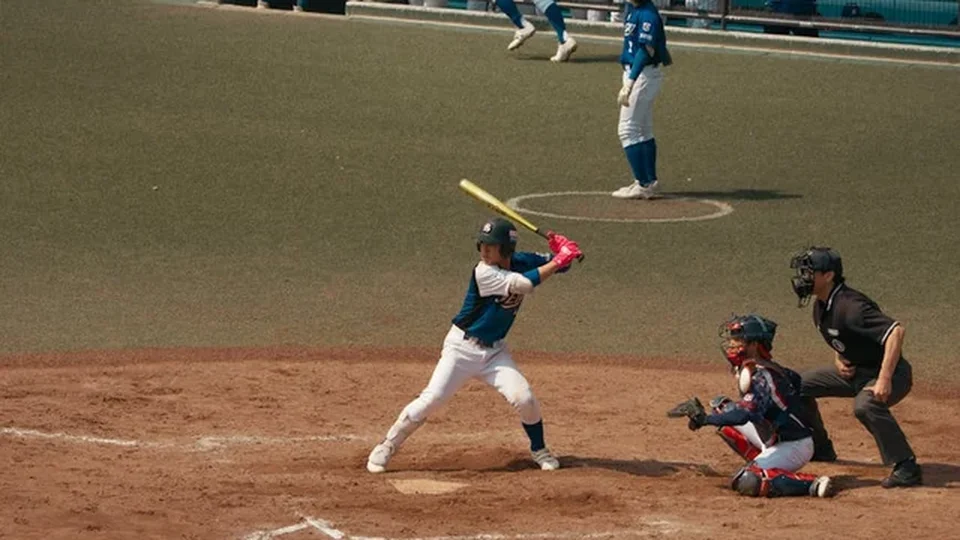
Blue Jays World Series Wins: Reliving the 1992 and 1993 Championships
For a generation of baseball fans, the pinnacle of Toronto Blue Jays history is defined by two glorious autumns in the early 1990s. The back-to-back World Series triumphs in 1992 and 1993 stand not only as the franchise’s sole championships but as monumental achievements in Canadian sports history. These victories transformed the Toronto Blue Jays from a respected expansion team into a national institution and cemented their legacy as the first and only club outside the United States to win the MLB championship. This pillar guide delves into the defining moments, key figures, and enduring legacy of those title runs, while contextualizing their significance for the current team’s ongoing World Series journey.
The Foundation: Building a Champion
The Blue Jays' path to supremacy was not an overnight success. Established in 1977, the franchise methodically built a contender through shrewd drafting, player development, and strategic acquisitions. By the late 1980s, a core of homegrown talent like outfielders George Bell and Lloyd Moseby, alongside ace pitcher Dave Stieb, made the Jays a perennial force in the American League East. However, postseason breakthroughs remained elusive.
The final pieces were added through bold trades and signings by General Manager Pat Gillick. Acquiring perennial All-Star second baseman Roberto Alomar and slugging outfielder Joe Carter from the San Diego Padres in a blockbuster 1990 trade signaled a new, aggressive era. This core, blended with emerging stars like pitcher Juan Guzman and the steady leadership of manager Cito Gaston, created a roster built for October.
The 1992 World Series: A Historic Breakthrough
The 1992 season saw the Blue Jays dominate the AL East, winning 96 games. Their postseason run was a testament to their balanced roster, featuring a potent offense, a deep starting rotation, and a formidable bullpen.
The ALCS and the Clincher
After dispatching the Oakland Athletics in the ALCS, the Jays faced the Atlanta Braves in the World Series. The series was a tense, back-and-forth affair. The iconic moment arrived in Game 6 at Atlanta-Fulton County Stadium. In the top of the 11th inning, with the score tied 2-2, utility player Dave Winfield—a prized offseason signing—laced a two-run double down the left-field line. These proved to be the winning runs. In the bottom of the inning, closer Tom Henke sealed the 4-2 victory, and with it, history. The Toronto Blue Jays were World Series champions, a moment of pure elation for a nation.
Key Figures of 1992:
Roberto Alomar: The series MVP, whose all-around brilliance (.423 average, 2 HRs, 6 RBIs) defined the offensive effort.
Pat Borders: The unheralded catcher who was a surprising but deserving World Series MVP, batting .450.
Dave Winfield: The veteran whose clutch double delivered the championship-winning hit.
The 1993 World Series: Repeating as Champions
Defending a title is one of sports’ greatest challenges. The 1993 Blue Jays were up to the task, again winning the AL East with 95 victories. The lineup was even more fearsome, having added future Hall of Famer Paul Molitor and his .332 batting average. The stage was set for a Fall Classic that would produce one of the most famous moments in baseball history.
The Clash with Philadelphia
Facing the powerful Philadelphia Phillies, the series was an offensive showcase. The Jays found themselves down 6-5 in the bottom of the ninth inning of Game 6 at a rain-soaked, deafeningly loud Rogers Centre (then known as SkyDome). With two men on base and one out, Joe Carter stepped to the plate against Phillies closer Mitch Williams.
"Touch 'Em All, Joe!"
On a 2-2 count, Carter connected. The sound of the bat was drowned by the roar of the crowd as the ball sailed over the left-field wall. Carter’s three-run, walk-off home run instantly became the stuff of legend. His jubilant hop around the bases remains the singular image of Blue Jays glory. For the second consecutive year, the team celebrated a World Series win on their home field—a rare and unforgettable feat.
Key Figures of 1993:
Paul Molitor: The World Series MVP, batting .500 with 2 home runs and 8 RBIs.
Joe Carter: Forever immortalized for "The Shot."
Rickey Henderson: Acquired mid-season, his veteran presence and elite on-base skills were invaluable.
The Enduring Legacy and the Modern Quest
The echoes of 1992 and 1993 reverberate through the franchise to this day. They set a standard of excellence that every subsequent Blue Jays team is measured against. The celebrations across Canada united the country in a way few sporting events have, creating a lasting national fanbase.
Today, the quest to return to that pinnacle drives the organization. Under the leadership of GM Ross Atkins and Manager John Schneider, a new core of stars aims to author the next championship chapter. The modern Blue Jays are built around a dynamic offense led by Vladimir Guerrero Jr., whose prodigious power evokes memories of past sluggers, and Bo Bichette, a hitting savant at shortstop. Veteran presence is provided by George Springer, a player with his own World Series pedigree.
The pitching staff, crucial to any title run, features a blend of ace-caliber talent and depth. Kevin Gausman anchors the rotation with his dominant splitter, joined by Jose Berrios and Yusei Kikuchi. The bullpen is fortified by All-Star closer Jordan Romano, tasked with securing the final outs that Henke once did. Catcher Alejandro Kirk represents the next wave of homegrown talent, a key piece in the defensive framework.
Practical Lessons from a Championship Blueprint
Examining the 1992-93 teams offers a blueprint for building a champion, relevant even today:
- Balance is Paramount: Those teams were not one-dimensional. They combined a deep, patient, and powerful lineup with a versatile pitching staff and strong defense. The modern Jays strive for this same equilibrium.
- Clutch Performance: Championships are won with key hits in critical moments—Winfield’s double, Carter’s homer. Developing a mindset that thrives under pressure is essential.
- Home Field Advantage: The Jays won all four World Series games at the Rogers Centre in 1992-93. Cultivating a dominant home record, as the current team does, creates a formidable postseason asset.
- Strategic Acquisitions: The additions of Alomar, Carter, Molitor, and Henderson were masterstrokes. Complementing a homegrown core with targeted external talent remains the model for General Manager Ross Atkins.
Conclusion: A Legacy to Honor, A Future to Chase
The Toronto Blue Jays' World Series wins in 1992 and 1993 are more than just entries in a record book. They are a foundational myth, a source of pride, and a constant reminder of what is possible. They proved that a Canadian team could not only compete but dominate on Major League Baseball's biggest stage. As the current roster navigates the rigors of the AL East and pursues its own October dreams, it does so standing on the shoulders of those giants.
The journey back to the Fall Classic is arduous, filled with challenges as unpredictable as a dramatic F1 finale and market shifts as notable as those in a fluctuating seaside property market. Yet, the goal remains unchanged. For the players, the front office, and millions of fans across Canada, the mission is to once again experience the euphoria that Carter’s home run delivered—to bring a new World Series championship back to Toronto.
Relive every step of the pursuit. Explore the complete timeline and future outlook of the Blue Jays World Series journey.
Reader Comments (0)