

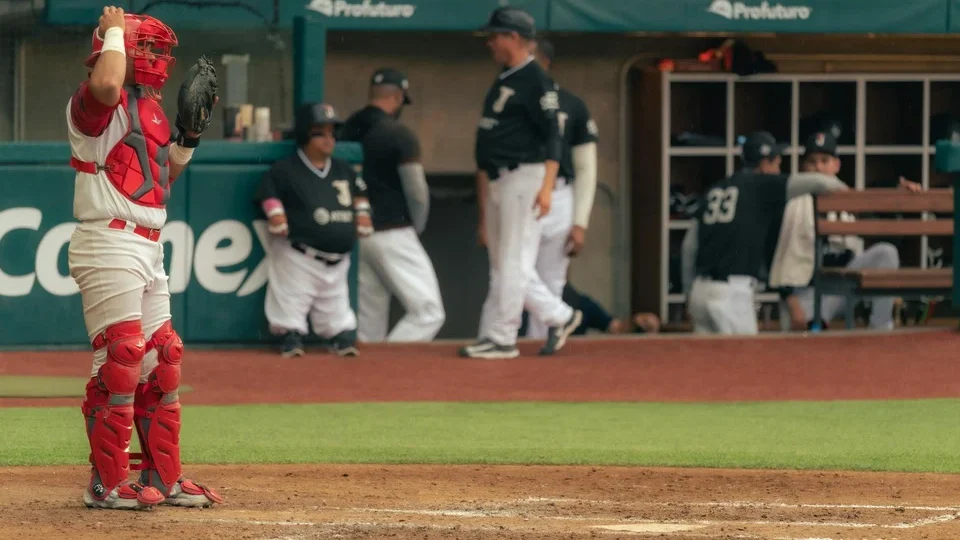
The Role of Veteran Leadership on the Blue Jays Roster
In the high-stakes crucible of the American League East, talent alone is rarely enough to secure a postseason berth, let alone a path to the World Series. For the Toronto Blue Jays, a roster brimming with All-Star calibre players has created palpable expectations. Yet, the bridge between potential and a championship parade often hinges on an intangible, yet critical, element: veteran leadership. This isn't about nostalgia for past glories; it's a strategic asset. As General Manager Ross Atkins and Manager Schneider sculpt the Blue Jays roster, the deliberate integration of seasoned professionals alongside the core young stars is a calculated component of their roster-management philosophy. This guide examines how veteran leadership functions within the Jays clubhouse, its impact on performance, and why it remains indispensable for a Toronto MLB team with championship aspirations.
Defining Modern Veteran Leadership in MLB
Gone are the days when veteran leadership was synonymous with a declining player occupying a roster spot based solely on reputation. In today’s MLB, its definition is more nuanced and impactful. It encompasses a multifaceted role:
Performance with Consistency: True leaders lead by example on the field. This means playing key roles, whether as an everyday contributor or in a specialized platoon, and demonstrating professional at-bats, diligent defensive preparation, and unwavering effort. Their value is measured in both stats and stability.
Clubhouse Culture Architect: Veterans set the daily tone. They are often the first to arrive and the last to leave, establishing a work ethic that becomes the team standard. They help navigate the 162-game grind, managing the peaks of a winning streak and the valleys of a slump, ensuring the clubhouse environment remains focused and resilient.
In-Game Mentorship & Off-Field Guidance: This is the most direct form of leadership. It involves sharing hard-earned knowledge about opposing pitchers, defensive positioning, baserunning instincts, and recovery routines. Off the field, it extends to handling media scrutiny, managing finances, and balancing family life with the demands of the big leagues.
Bridge to Coaching Staff: Effective veterans act as a force multiplier for the manager and coaches. They can communicate messages in the language of peers, reinforce game plans, and provide the staff with trusted insights into the team’s pulse.
For the Blue Jays, this modern model means seeking players who not only have the service time but also possess the character, communication skills, and competitive fire to elevate those around them.
The Core Young Stars: Where Leadership Makes Its Mark
The Blue Jays' championship window is firmly tied to its homegrown, superstar core. These players are the engine of the team, but even the most talented engines benefit from premium guidance.
Vladimir Guerrero Jr. (Vladdy): As the face of the franchise, Guerrero Jr. carries immense pressure. Veteran presence helps him manage the external expectations, refine his defensive work at first base, and maintain his offensive approach through the dog days of summer. Seeing a seasoned pro handle failure and success with equanimity is a powerful lesson.
Bo Bichette: The dynamic shortstop plays with visible passion. Veterans can help channel that intensity, offering advice on in-game focus, defensive consistency, and the leadership responsibilities that come with being a keystone player. His growth into a more vocal leader himself can be nurtured by observing established ones.
Alejandro Kirk: For a young catcher, managing a pitching staff is a monumental task. Veteran pitchers and position players can provide crucial support, helping Kirk with game-calling nuances, handling veteran starters, and commanding the field—a vital aspect of roster-management often overlooked from the outside.
The integration of leadership around these pillars isn’t about changing who they are; it’s about accelerating their development and insulating them from pressures that could detract from their performance.
Current Veterans: Analyzing the Leadership Portfolio
The Toronto Blue Jays roster has been intentionally constructed with a blend of veteran savvy. Let’s examine key contributors through the lens of leadership.
The Position Player Pillars: Springer & Beyond
George Springer is the archetype of the modern veteran leader. A World Series MVP and perennial postseason performer, his pedigree is unquestioned. His leadership manifests in his meticulous preparation, his calm demeanor in big moments, and his willingness to play through minor injuries. He sets the standard for what a professional hitter looks like, impacting not just the outfield but the entire lineup. His experience in championship environments is a living textbook for the younger Jays.
Other position players, whether through their steady demeanour or professional approach at the plate, contribute to a cohesive offensive and defensive unit, reinforcing the culture Manager Schneider wants to instill.
The Starting Rotation: Composed Veterans Setting the Tone
A starting pitcher’s influence extends beyond his every-fifth-day outing. The Blue Jays rotation features several arms who provide stability.
Kevin Gausman: As the staff ace, his work ethic and competitive nature set a daily example. His mastery of his craft, particularly his splitter, serves as a lesson in pitch development and execution for younger pitchers.
Jose Berrios: After navigating adversity, Berrios’s resurgence is a story of resilience. His ability to adjust, maintain confidence, and deliver quality starts provides a blueprint for handling failure—an inevitable part of MLB.
Yusei Kikuchi: His dramatic improvement is a testament to adaptability and buy-in. His journey can inspire teammates working to overhaul their mechanics or approach, proving that significant change at the major league level is possible.
This group’s collective ability to eat innings, prepare meticulously, and compete sets the defensive tone for the entire team.
The Bullpen: The Calm in the Late-Inning Storm
While Jordan Romano, the All-Star closer, leads by securing the final outs, veteran relievers around him play a crucial leadership role. Pitchers who have experienced high-leverage situations across multiple seasons help manage the bullpen’s emotional rollercoaster. They stress the importance of short memories, supporting each other, and being ready for the call at any moment—a vital, under-the-radar form of roster-management that keeps the relief corps effective over a long season.
Practical Impact: How Leadership Translates to Wins
Veteran leadership is not an abstract concept; it has tangible, on-field consequences that shape the Blue Jays' season performance.
Winning Close Games: Composure in tight, late-game situations is often a learned skill. Veterans who have been in those spots can prevent panic, ensure proper fundamentals are executed, and help younger players focus on the moment rather than the magnitude. This can be the difference in a one-run game at Rogers Centre.
Navigating the AL East Gauntlet: The AL East is a relentless division. Veterans help the team avoid both complacency after big wins and despair after tough losses. They understand the marathon nature of the schedule, ensuring the team is mentally prepared for every series, whether against a rival or a lesser opponent.
In-Game Adjustments: During a game, veterans often act as an extension of the coaching staff. A quick word to a hitter about a pitcher’s tell, a positioning adjustment to an infielder, or calming a rookie pitcher after a walk—these micro-adjustments, driven by experience, accumulate over a season.
Preserving Clubhouse Harmony: The long season, travel, and media scrutiny can create friction. Respected veterans often act as mediators, addressing minor issues before they escalate and ensuring the clubhouse remains a unified, positive environment focused on a common goal: winning the MLB championship.
Strategic Roster Construction: The Front Office’s Role
The presence of veteran leaders is no accident. It is a deliberate strategy by GM Atkins and the baseball operations team. This involves:
Targeted Acquisitions: When evaluating potential additions, whether via free agency or trade, character and clubhouse fit are weighed alongside statistical projections. The front office seeks players known for their professionalism and winning backgrounds. This is a key consideration when exploring blue-jays-offseason-trade-targets-2024.
Financial Allocation: Investing in proven veterans often commands a premium. This requires careful roster-management and budgetary planning, balancing star salaries with role-player value. Understanding these financial commitments is crucial, as detailed in our blue-jays-payroll-breakdown-2024-season analysis.
Chemistry Calculus: The front office and Manager Schneider must constantly assess the clubhouse dynamic. It’s about finding the right mix of personalities, ensuring leaders complement rather than clash, and that their message resonates with the diverse group of players in the room.
The Challenge: Balancing Present Value with Future Development
The reliance on veterans presents an inherent tension for roster-management: maximizing win-now potential while continuing to develop the next wave of talent.
Playing Time Dilemmas: How does a manager balance giving a struggling veteran time to find his rhythm versus providing a promising rookie with crucial MLB at-bats? These decisions, made by Manager Schneider, are delicate and can impact both performance and morale.
The Decline Curve: The front office must accurately project when a veteran’s on-field contributions may diminish, making proactive decisions before performance drops off a cliff. This is where advanced analytics and scouting intersect with human evaluation.
Passing the Torch: The ultimate success of a leadership model is its sustainability. Are the core young players internalizing these lessons and growing into the leaders of tomorrow? The transition of players like Bichette and Guerrero Jr. from protégés to mentors will be a key indicator of the culture’s health.
For the latest on how this balance is being struck within the active squad, follow our ongoing blue-jays-roster-updates.
Conclusion: An Indispensable Ingredient for the Fall Classic
For the Toronto Blue Jays, veteran leadership is far more than a nice-to-have clubhouse attribute. It is a strategic, performance-enhancing component as vital as a power bat or an ace pitcher. In the pressure cooker of the American League East, with the hopes of a nation resting on their shoulders, the composed guidance of experienced players provides the stability needed for the team’s stars to shine brightest.
The deliberate construction of the roster by Ross Atkins, the daily cultivation of culture by John Schneider, and the on-field example set by veterans like George Springer and Kevin Gausman collectively forge the team’s identity. It is this identity—resilient, prepared, and united—that can transform the Blue Jays from a collection of talented individuals into a legitimate contender capable of navigating the October gauntlet and bringing the World Series back to Rogers Centre.
As the season unfolds, watch not only for home runs and strikeouts but for the moments between the plays—the dugout conversations, the preparation routines, the response to adversity. There, you will witness the true value of veteran leadership, the unseen engine driving the Toronto Blue Jays toward their ultimate goal.
Reader Comments (0)